Home / Niacin Guide
Ingredient guide · November 2026

Niacin, Explained: Vitamin B3 and the Niacin Flush

Niacin is vitamin B3, found in many foods and in supplements such as Honey Flush. This guide explains its forms, the Daily Value and upper limit, what the niacin flush is and when it happens, and how much niacin one Honey Flush capsule contains.

Vitamin B3Niacin vs niacinamideThe niacin flushNIH cited
See Honey Flush Pricing The Niacin Flush
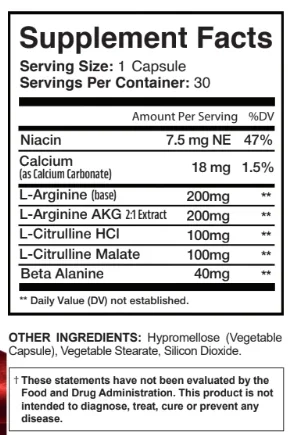
Honey Flush Supplement Facts panel listing niacin 7.5 mg NE

Editorial disclosure: tryhoneyflush.com is an independent guide and is not the manufacturer or distributor of Honey Flush. It contains affiliate links, and we may earn a commission if you purchase through them, at no extra cost to you. These statements have not been evaluated by the Food and Drug Administration. Honey Flush is not intended to diagnose, treat, cure, or prevent any disease. Consult a healthcare professional before use.

The vitamin

What Is Niacin? Vitamin B3, Explained

Niacin, also known as vitamin B3, is one of the water-soluble B vitamins. The name covers a few related compounds, chiefly nicotinic acid and nicotinamide (also called niacinamide). The body uses niacin to make coenzymes involved in turning food into energy. It is found in many foods: the NIH lists beef liver, chicken and turkey breast, salmon, canned light tuna and marinara sauce among the top sources, and animal foods typically supply about 5 to 10 mg per serving.

NIH ODS niacin fact sheet
The numbers

Niacin Daily Value, RDA and Upper Limit

16 mgDaily Value used on supplement labels
16 / 14 mgRDA for adult men / women, in mg NE
35 mgadult upper limit for supplemental niacin
1%of US adults get less than they need from food

"NE" stands for niacin equivalents: 1 mg NE equals 1 mg of niacin or 60 mg of the amino acid tryptophan, which the body can convert. The upper limit is set where skin flushing begins to appear, and it does not apply to niacin taken under medical supervision.

The niacin flush

What Is a Niacin Flush?

What happens

The skin of the face, arms and chest reddens as small blood vessels widen, often with a feeling of warmth, tingling or itching. The NIH fact sheet says it usually passes quickly and describes it as unpleasant rather than toxic.

When it happens

Flushing comes mainly from nicotinic acid: 30 to 50 mg or more typically causes it. Nicotinamide does not cause flushing. Some supplements sell inositol hexanicotinate as "flush free", though the NIH notes that it is absorbed about 30% less on average.

Forms

Niacin vs Nicotinamide vs Niacinamide

FormAlso calledFlushing
Nicotinic acidNiacinTypically from 30–50 mg or more
NicotinamideNiacinamideDoes not cause flushing
Inositol hexanicotinate"Flush-free" niacinSold as flush free; absorbed about 30% less

Source: NIH Office of Dietary Supplements, Niacin fact sheet.

An example

Niacin in Honey Flush: Does the Name Mean a Flush?

Honey Flush lists 7.5 mg NE of niacin per capsule, 47% of the Daily Value and a little over a fifth of the 35 mg upper limit. That is below the 30 to 50 mg of nicotinic acid at which the NIH says flushing typically starts, and the label does not state which form it uses. The rest of the capsule is L-arginine, L-citrulline, calcium and beta-alanine. Count niacin from every supplement you take toward the upper limit, and check with a doctor first if you take medication.

See Honey Flush Pricing Honey Flush Ingredients

Questions

Niacin Guide: Your Questions, Answered

What is niacin?

Vitamin B3, a water-soluble B vitamin that the body uses to turn food into energy. It includes nicotinic acid and nicotinamide.

Is niacin the same as vitamin B3?

Yes. Niacin is the common name for vitamin B3.

What is the difference between niacin and niacinamide?

Niacinamide, or nicotinamide, is a form of niacin that does not cause skin flushing; nicotinic acid can cause flushing at 30 to 50 mg or more.

What causes a niacin flush?

Nicotinic acid widens small blood vessels in the skin, so the face, arms and chest redden and may feel warm, tingly or itchy. The NIH describes it as brief and unpleasant rather than toxic.

How much niacin per day is safe?

The adult upper limit for supplemental niacin is 35 mg a day, set where flushing begins. The Daily Value used on labels is 16 mg.

What foods are high in niacin?

Beef liver, chicken and turkey breast, salmon and canned light tuna are among the top sources the NIH lists; animal foods supply about 5 to 10 mg per serving.

What does mg NE mean on a label?

Milligrams of niacin equivalents: 1 mg NE equals 1 mg of niacin or 60 mg of tryptophan.

How much niacin is in Honey Flush?

7.5 mg NE per capsule, 47% of the Daily Value.

Niacin in a Fully Labeled Daily Capsule

Honey Flush lists 7.5 mg NE of niacin with L-arginine, L-citrulline, calcium and beta-alanine, every amount printed, and a 180-day guarantee on direct orders. See the full label first.

Visit gethoneyflush.com